
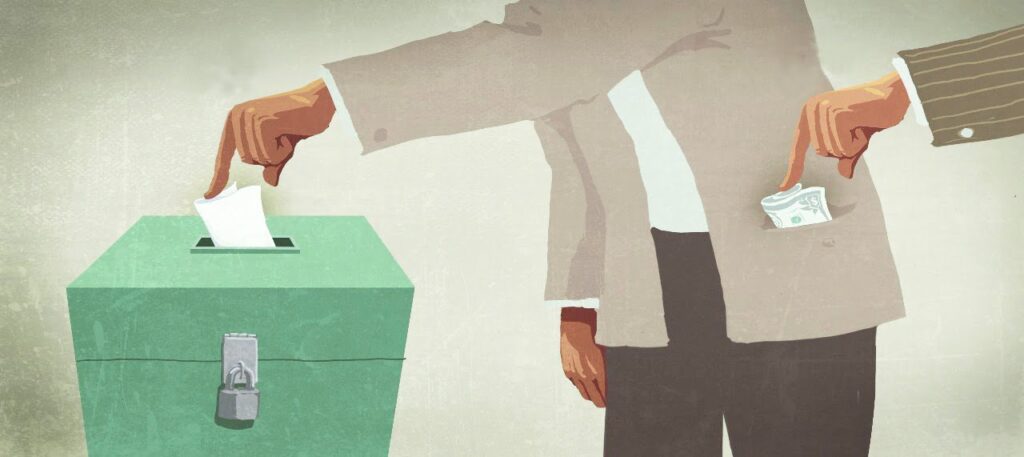
A free and fair election is one of the most important foundations of democracy. It provides citizens with the opportunity to choose their leaders, hold political officeholders accountable, and influence the direction of public governance. However, in Nigeria, the pursuit of credible elections comes with significant financial, institutional, political and human costs. While the country continues to invest billions of Naira in electoral administration, the question remains whether the resources committed to elections translate into the desired democratic outcomes Nigerians deserve.
The price of free and fair elections in Nigeria is not limited to the money spent by the Independent National Electoral Commission (INEC) on logistics, technology, personnel and election materials. It also includes the cost of insecurity, political interference, voter inducement, electoral violence, weak institutions and the growing distrust between citizens and the democratic process.
Nigeria’s electoral process is particularly expensive because of its size, population and administrative complexity. Conducting elections across 36 states, the Federal Capital Territory, and 774 local government areas requires extensive planning and coordination. From voter registration and distribution of election materials to training ad hoc staff, deploying security personnel and transmitting results, every stage requires substantial financial investment. Yet, spending more money does not automatically guarantee better elections.
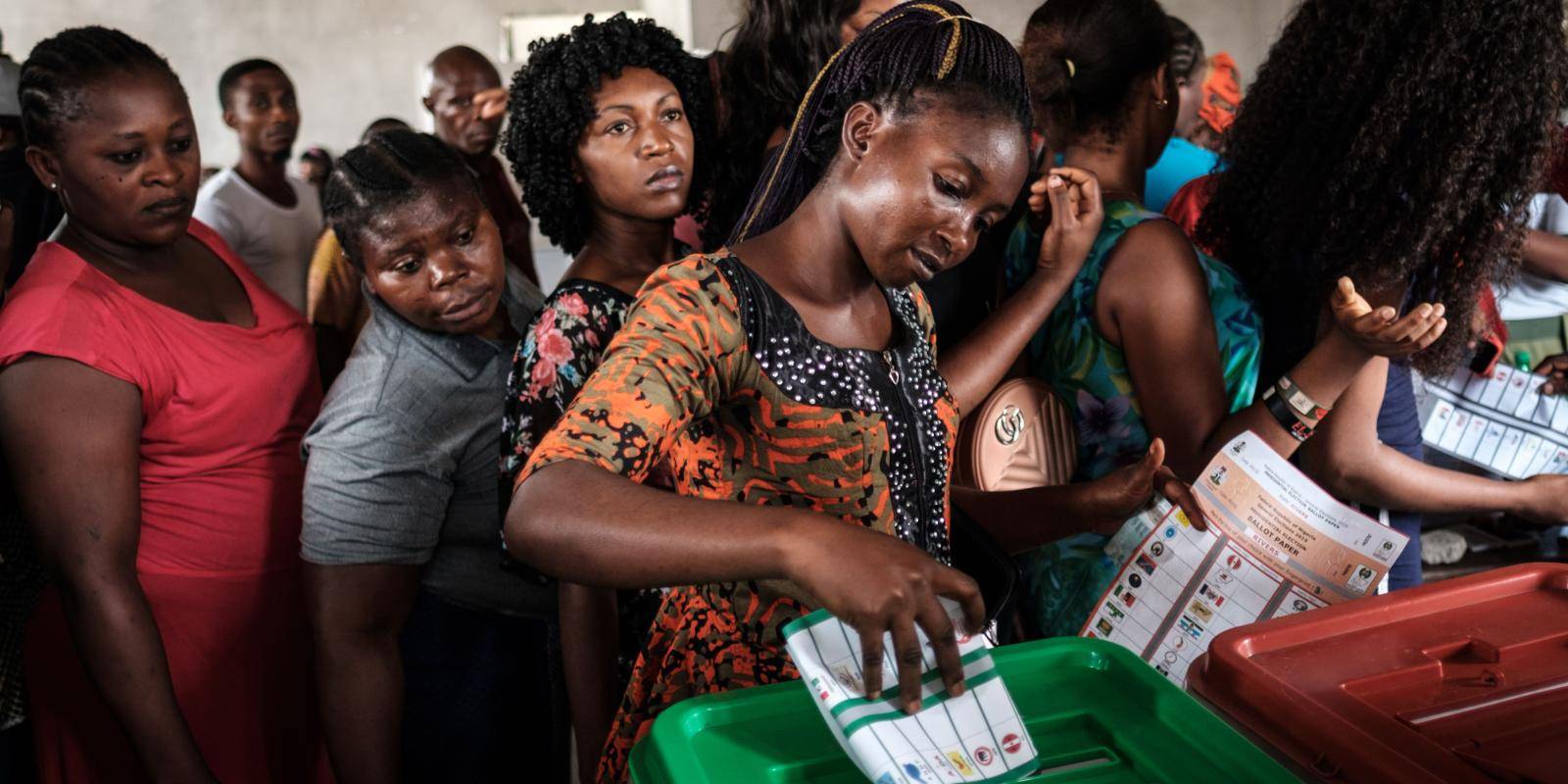
For the 2027 general elections, the financial commitment is expected to increase considerably. INEC has proposed approximately N873.78 billion for the conduct of the elections, covering operational, administrative, technological, capital and miscellaneous expenses. This represents a substantial increase from the approximately ₦355.3 billion approved for the 2023 general elections. The proposed expenditure reflects the increasing cost of managing elections in a country where technology, logistics, security and administrative requirements continue to expand.
However, the more important question is not simply how much Nigeria spends on elections, but what the country gets in return. An expensive election that fails to reflect the will of the electorate is an expensive democratic failure. The 2023 general elections exposed this contradiction. Despite significant investments in technology, particularly the Bimodal Voter Accreditation System (BVAS) and the INEC Result Viewing Portal (IReV), operational and technological challenges affected public confidence in the process. The joint election observation mission of the National Democratic Institute and International Republican Institute noted that the elections fell short of citizens’ expectations, with only 27 per cent of registered voters participating in the national elections.

Beyond financial expenditure, there is also a human price. Electoral violence, intimidation, voter suppression and political thuggery continue to threaten citizens’ ability to participate freely in elections. In several communities, the decision to vote has become an exercise of courage rather than a routine democratic right. The European Union Election Observation Mission documented incidents of intimidation, violence and vote-buying during the 2023 elections. These practices undermine electoral competition and create an environment where political influence and financial capacity can become more powerful than citizens’ choices.
Vote-buying presents another dimension of the cost. When political actors distribute money and other incentives to influence voters, they turn democratic participation into a transactional affair. The immediate beneficiary may receive a small financial incentive, but the long-term cost is borne by the wider population. Leaders who secure political office through financial inducement and manipulation have fewer incentives to prioritise public accountability. Citizens are left to contend with poor infrastructure, unemployment, insecurity, and inadequate public services long after the money exchanged during elections has been spent.
There is also a cost associated with electoral apathy. When citizens repeatedly invest their time and resources in elections without seeing their votes adequately protected, confidence in democratic institutions gradually declines. This weakens participation, particularly among young people, women and marginalised communities. The consequence is a cycle in which declining participation creates opportunities for political actors with established structures, financial resources and coercive influence to dominate the electoral process.
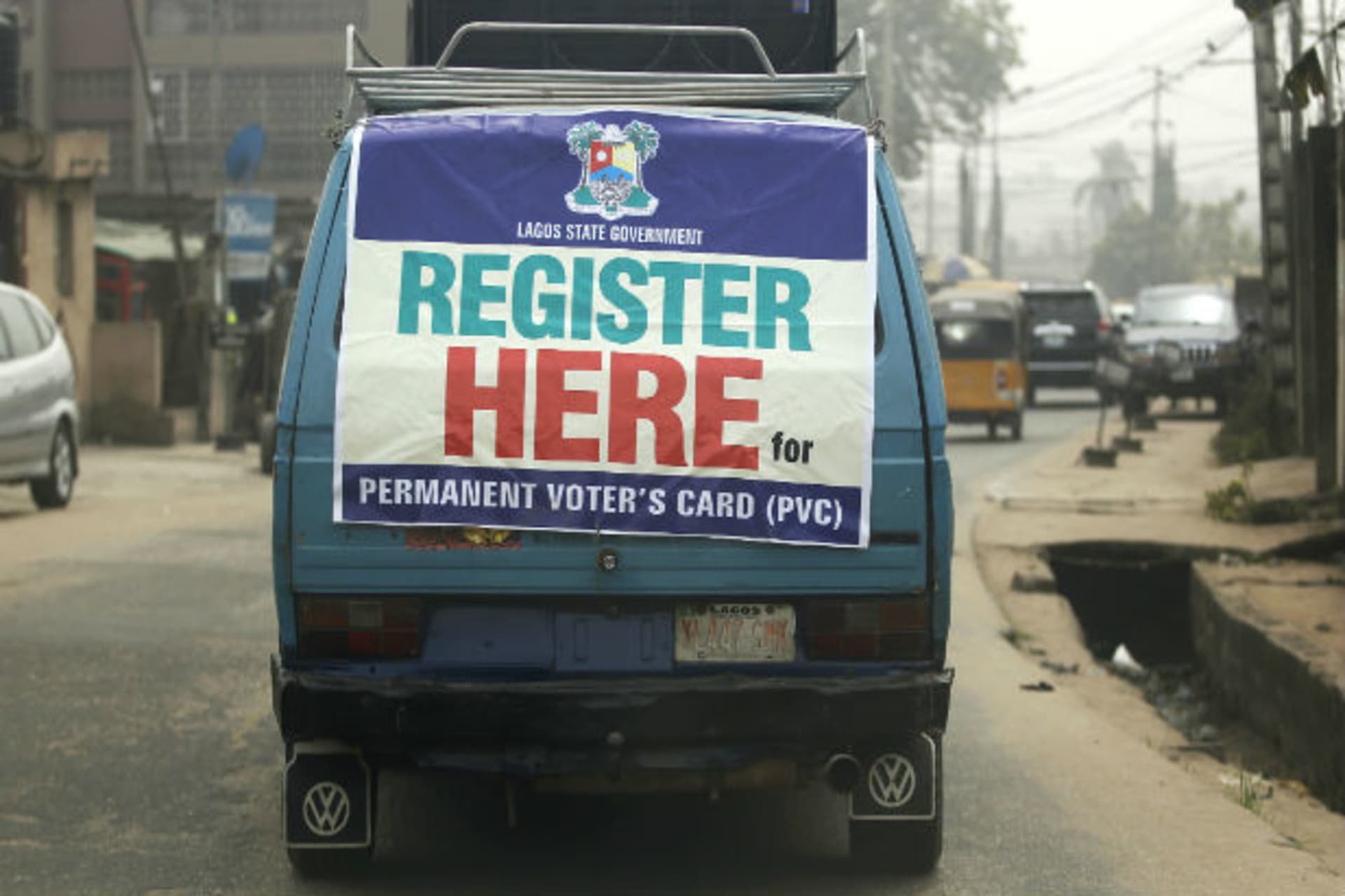
This is why the responsibility for credible elections cannot rest solely on INEC. Political parties must demonstrate commitment to internal democracy, credible candidate selection, and issue-based campaigns. Security agencies must protect voters, election officials, journalists, and observers without partisan interference. The judiciary must provide timely and credible adjudication of electoral disputes. Civil society organisations and independent election observers must also continue to strengthen transparency through citizen-led monitoring, data collection, public education and independent verification of electoral processes.
Civic Technology must equally serve as an instrument of accountability rather than merely an expensive addition to electoral administration. Investments in electronic accreditation, results transmission and public access to election information must be accompanied by transparency, adequate infrastructure, effective communication and clear accountability mechanisms. Citizens should be able to independently verify what happens at polling units and understand how results move from polling units to collation centres and final declaration.
To conclude, the price of free and fair elections in Nigeria should not be measured only by the billions of Naira appropriated for electoral administration. It must also account for the resources required to protect democratic institutions, safeguard citizens’ rights, prevent violence and ensure that electoral outcomes reflect the genuine choices of voters.