
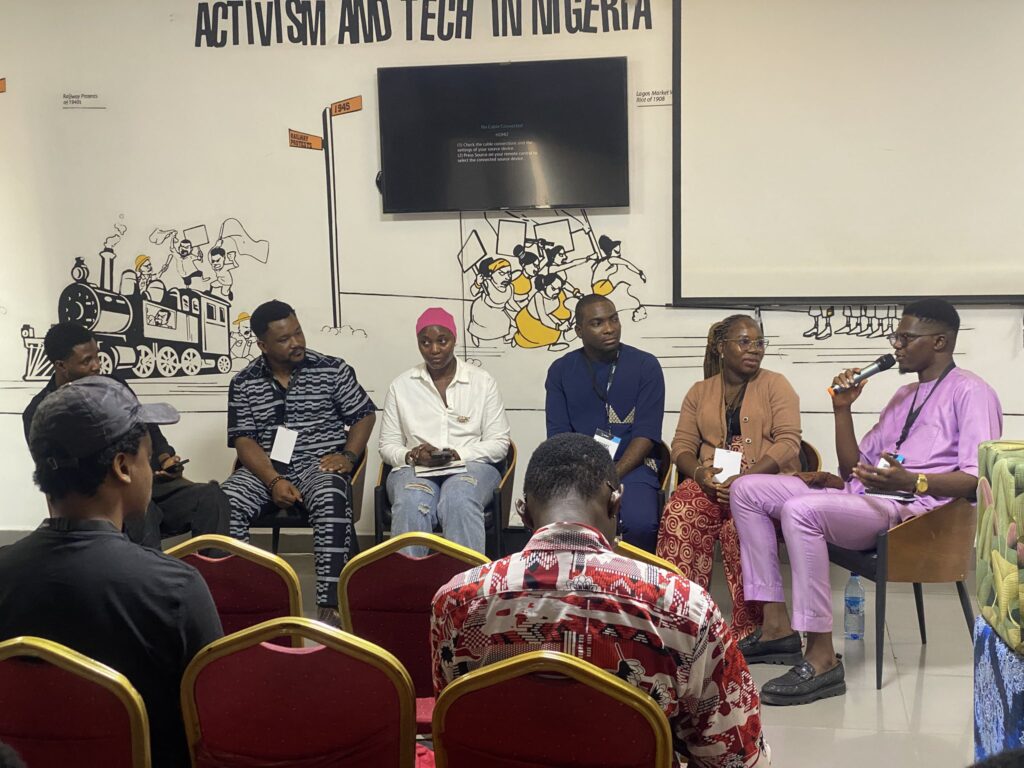
The Senior Golang Developers Meetup, hosted by CivicHive, took place on 21 February 2026. The event was dominated by a pressing question: is AI a threat to developers’ jobs? The theme, “Go Systems Design at Scale: Engineering in the AI Era.” This was more than just a standard developer gathering. The discussion centred on vital topics: relevance, survival, and the evolving nature of engineering work.
The convener, Oluwasegun Ige, set the tone for the day discussing Go. The conversation shifted to how engineers across roles can navigate the AI shift. With AI tools now embedded in everyday workflows and evolving at speed, up skilling is no longer a career boost, it is a necessity. The room reflected that urgency and other senior engineers interrogating what comes next.
The technical sessions grounded the discussion in infrastructure realities. Akinlua Bolamigbe, Senior Software Engineer at Careem (part of Uber), emphasised that AI features still depend on resilient distributed systems, low-latency pipelines, and deliberate architecture. Scalability, he noted, is designed; not improvised. Go, alongside languages like Rust and TypeScript, remains central because of its performance and concurrency strengths.
 Tejiri Odiase extended this argument, stressing that while AI delivers “intelligence,” it is reliable data and retrieval systems that determine whether products succeed in production. In other words, AI may sit at the surface, but strong backend engineering carries the weight beneath it.
The panel session titled “AI Will Take Your Job” and moderated by Tobi Adara with Abiodun Oyekunle, CTO of Autobuyafrica.ai, who expressed that junior roles faces the most pressure as AI handles basic implementations, pushing entry-level engineers to think beyond syntax toward architecture and logic. Other speakers highlighted how AI now generates unit tests, accelerates delivery timelines, and reduces team size, while Aminat Shotade warned against overdependence that weakens core thinking. Temilade Olarenwaju added that AI can analyse data, but cannot replace human-centred judgment and design insight.
By the end, the consensus was measured but firm: AI is not replacing engineers; it is reshaping expectations. The defining advantage in this era is no longer just the ability to code, but the capacity to think critically, design scalable systems, and confidently question the outputs of intelligent tools.